
.png)


Exploring the Lost Trails of Northern Laos : Building a New Expedition Route
Northern Laos is one of the few places left in Southeast Asia where you can still move for hours without seeing another vehicle. That’s exactly why we’ve built a new expedition here.
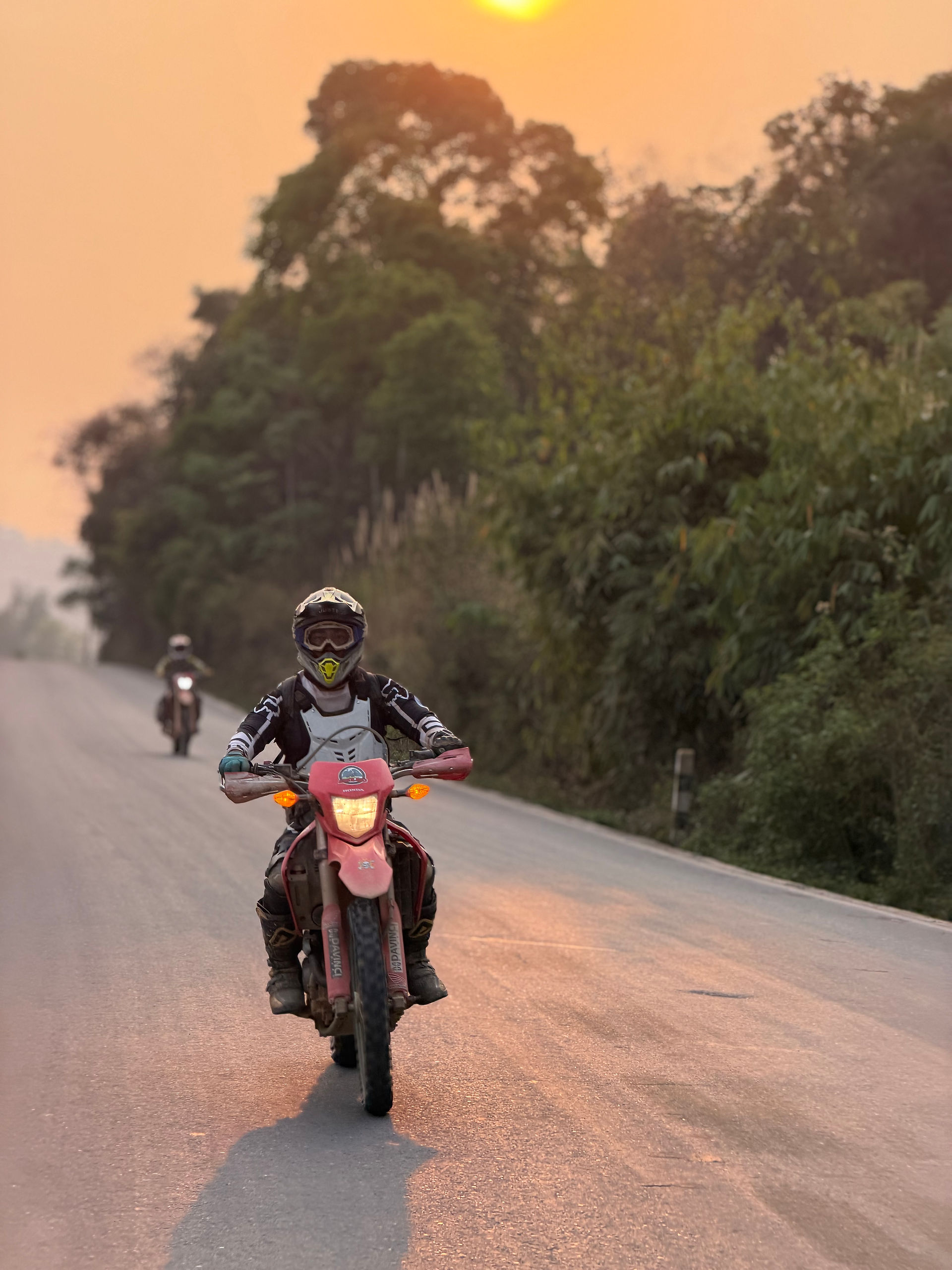
Starting and finishing in Luang Prabang, this route pushes north into some of the most remote terrain in the country, reaching towards Phongsali and the border regions with China and Vietnam. It’s not based on an existing itinerary or adapted from a tour route. We’ve built it ourselves, on the ground, step by step.
This is now a fully developed expedition, ready to launch for the 26/27 dry season.

Built on Experience
This approach is not new to us, and it builds directly on previous work developing off-road expeditions through remote regions of Cambodia, where routes are not clearly defined and everything from navigation to logistics has to be managed properly from the outset.
That same mindset has been applied throughout Laos, with the focus on keeping teams small, maintaining a controlled pace, and designing a route that works consistently in the real conditions we encountered, rather than relying on assumptions or second-hand information.


The Route Through Northern Laos
From Luang Prabang, the route moves steadily north, with the riding changing constantly as the terrain shifts between hard-packed dirt roads, loose rock, steep climbs, and technical descents that require full control, particularly when conditions are mixed.
River crossings form a regular part of the journey rather than something avoided, and each one requires time and judgement to assess properly before committing, especially as water levels and entry points vary depending on the season.
As the route develops, it moves through a mix of jungle, mountain ridgelines, and river valleys, passing waterfalls and remote sections of forest where the terrain never really settles into a predictable pattern, which is exactly what gives the expedition its character.
At one stage, continuing on land was no longer an option, and the only way forward was to load the bikes onto a small boat and move deeper into the mountains by river, which is simply the only way through that section of the route.
The Quiet and Untouched Nature of the Region
Compared to more developed parts of Laos or neighbouring countries, this region remains remarkably quiet and untouched. Villages are few and far between, and the landscape is dominated by dense forests, terraced hillsides, and winding rivers. The absence of heavy tourism infrastructure means the experience here is raw and authentic.


Encounters with Local Communities
During the trip, we visited several Hmong villages nestled in the hills. These communities live traditionally, with limited contact with the outside world. Our interactions were brief but meaningful, offering insight into local life and culture. The Hmong people’s resilience and connection to the land added depth to the journey, reminding us that this expedition is not just about the terrain but also the people who call it home.

Logistical Challenges of Developing a New Expedition
Creating a new expedition route in such a remote area involves more than just riding. We spent considerable time scouting accommodation options, which are sparse and sometimes basic. Fuel planning was critical since petrol stations are few and far between, requiring us to carry extra fuel and plan refuelling stops carefully.
Support logistics also proved challenging. Communication is limited, and emergency services are virtually non-existent in these parts. This means any future expedition must operate with small groups, a controlled pace, and a strong emphasis on safety and self-sufficiency.
Why This Is Not a Standard Tourist Route
This isn’t a route that’s been lifted from a standard itinerary or adapted from something already in circulation. We’ve built it ourselves, on the ground, working through what actually connects and what doesn’t, and shaping it around the reality of the terrain rather than what looks good on paper. That means the route doesn’t follow the easiest line, and it doesn’t try to fit into a fixed formula. It moves through areas that are still properly remote, where conditions change and decisions have to be made in the moment, which is exactly what defines it as an expedition rather than a tour.


What Comes Next for This Expedition
This expedition is now developed and will be launching for the 2026/2027 dry season, following a period of route building and refinement that has ensured it works as intended.
It has been designed as a proper off-road journey through one of the most remote regions in Southeast Asia, without relying on pre-built routes or unnecessary additions, and with a structure that reflects the reality of the environment.

Get First Access
Be first to hear when this expedition opens. Limited places. Small Teams


Comments