
.png)


How to Pack for a Multi Environment Expedition
Packing for an expedition is not about ticking items off a checklist. It is about building a system that works when conditions change, terrain shifts and your body is under sustained effort.
On a Wild Axis expedition you may start the day in freezing mountain air, descend into warm valleys by afternoon and finish in dry desert wind. You might be trekking one day, travelling by vehicle the next, then climbing again the morning after. Temperatures, terrain and pace can change quickly.
When people pack without a system, they usually carry too much, struggle to regulate temperature and waste energy managing their kit. Good packing removes friction. It keeps you comfortable, efficient and focused on the experience.
This is the same approach we use ourselves.

A pre expedition flat lay helps you pack with clarity and control.
Start with the right mindset
Before you pack anything, ask three simple questions:
• Will I actually use this
• Does something else already do the same job
• Is there a lighter option
Every extra kilo costs energy over distance. It might not feel like much in your living room, but after six hours on uneven ground you will notice it.
Efficiency is not about going without. It is about carrying what matters.
Pack for change, not for the forecast
Most people pack for what they think the weather will be. Experienced expedition teams pack for rapid change.
Your clothing and equipment must work together so you can adjust quickly without unpacking everything.
You should be able to add warmth fast, remove layers before overheating, stay dry in unexpected weather and reach important gear immediately.
If adapting takes more than a minute, your system needs improving.
Get the foundations right
Your rucksack, boots and sleeping system form the base of everything.
Your pack must fit properly. Weight should sit on your hips, not hang off your shoulders. If a pack does not fit your torso length correctly, no amount of adjustment will fix it.
Boots should be broken in long before departure. Waterproof, supportive and comfortable. Blisters are preventable with good preparation.
Your sleeping bag should be rated for colder than you expect. You can always cool down. Recovering properly at night is what allows you to perform again the next day.
Get these three right and everything else becomes easier.

From rock to snow in minutes. You need a layering and packing system that adjusts.
The layering system that actually works
Layering is not about wearing lots of clothing. It is about controlling temperature, managing moisture and protecting yourself from the environment.
Closest to the skin sits your base layer. This manages sweat and regulates body temperature. Merino wool or quality synthetic fabrics work best because they dry quickly and breathe well. Cotton should be avoided. Once wet, it stays wet and pulls heat from the body.
Over that sits your mid layer. This provides warmth while you are moving. Typically fleece or light insulation. It needs to breathe, move with you and be easy to remove when effort increases. Most temperature adjustments during the day happen here.
Your outer shell protects you from wind, rain and snow. It must be waterproof and windproof while still breathable enough to wear during movement. Mountain weather changes quickly and protection is not optional.
Finally, you need insulation for when you stop. As soon as movement slows, body heat drops. A lightweight insulated jacket provides rapid warmth during breaks, early starts and evenings at camp. Keep it accessible.
When these layers work together properly, you can adapt quickly without constantly unpacking or changing clothes.
Want a kit list built for your specific expedition?
Every Wild Axis expedition comes with a detailed equipment kit list based on the environment and season. Winter in the Atlas requires a different setup to summer desert travel or Montenegro river terrain.
If you are booked onto one of our trips, you will receive a tailored kit guide. If you are still deciding, explore our upcoming expeditions and see what environment suits you.
Organising your pack properly
Where you place equipment matters just as much as what you bring - think in three zones.
Zone 1 – Quick access
Items you may need immediately:
• Waterproof layer
• Warm insulation
• Hat and gloves
• Snacks
• Sunglasses
• Headtorch
• Navigation tools
These should sit at the top of your pack or in external pockets.
Zone 2 – Day use
Items used during the day but not constantly:
• Spare layers
• First aid kit
• Water treatment
• Camera
• Lunch
Organised so you can find them without emptying everything.
Zone 3 – Camp only
Items not needed while moving:
• Sleeping clothes
• Wash kit
• Camp footwear
• Spare socks
All clothing and essential kit should be packed inside dry bags to keep everything waterproof. Using different coloured bags for different items makes identification quick and easy when you need something fast. - Simple structure reduces stress when you are tired or dealing with weather.
Weight discipline
Neither your shoulders nor your knees benefit from carrying dead weight.
These are common things people bring but rarely use:
• Too many spare clothes
• Large toiletry kits
• Multiple camera lenses
• Duplicate footwear
• Heavy comfort items
Comfort on expedition comes from efficiency, not excess.

From riverbank to ridgeline, a modular system keeps you efficient, organised and ready.
Not sure about your kit?
Every Wild Axis expedition comes with a detailed kit list tailored to the specific environment and season, so you know exactly what is required.
If you have any questions about the list or your current equipment, feel free to contact us. We are here to help.
A real example of changing conditions
On expeditions that move from high altitude terrain into desert environments, temperature swings can be significant within days.
You might start before sunrise in freezing conditions, descend into strong midday sun and deal with wind later in the evening. The body experiences a wide range of stress in a short period.
A fixed clothing setup will not handle that. A modular system will.
Organisation equals efficiency
Even the best equipment becomes a problem if you cannot find it quickly. When cold, tired or in poor light, you should be able to locate anything in seconds.
Keep items in the same place each day. Use dry bags or packing cubes. Avoid loose equipment floating around your pack.
Good organisation saves energy and keeps your focus where it should be.
Packing is a skill
Packing properly improves comfort, performance and safety across the entire expedition.
A well organised pack means:
• Faster transitions
• Better temperature control
• Less fatigue
• More confidence in changing environments
Good preparation leads to better performance.
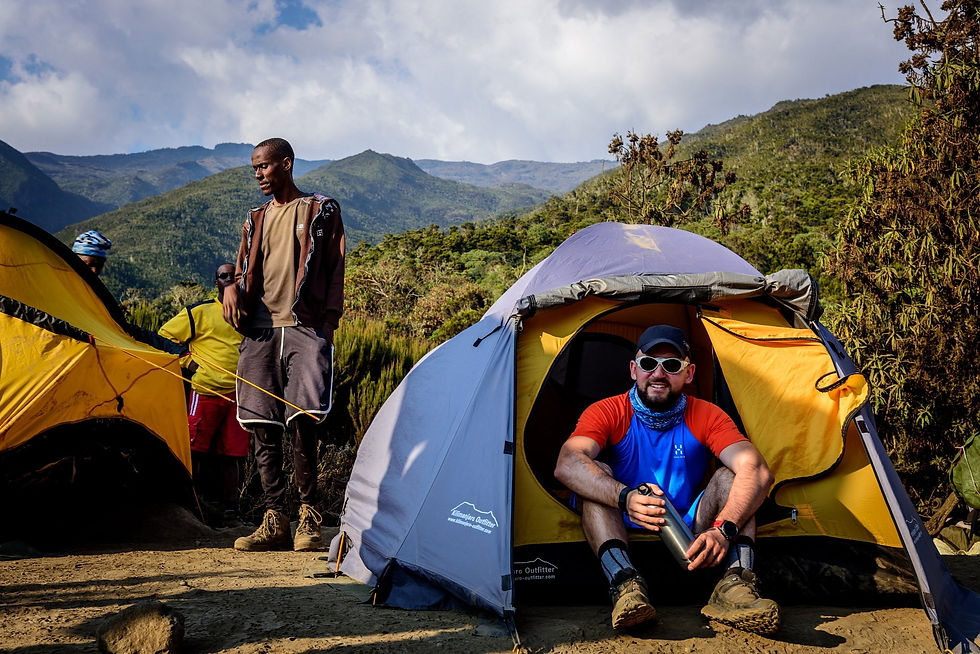
Comfort at camp starts with decisions made before you leave home.
Final Tips for Multi Environment Packing
Packing well is part of becoming expedition ready. The right system allows you to move efficiently, adapt quickly and stay comfortable in real terrain.
Before you travel:
• Test your pack weight before the trip.
• Wear your heaviest boots and jacket during travel to save space in your pack.
• Use compression sacks to reduce bulk for sleeping bags and clothing.
• Keep electronics and important documents in waterproof cases.
• Plan for laundry opportunities if your trip is long, so you can pack fewer clothes.
Most packing mistakes show up after hour four, not hour one. Test your setup properly before departure.
Ready for Real Conditions?
If you want to test your preparation in real conditions, join one of our small group expeditions across Morocco, Montenegro and beyond.
Small teams. Real terrain. Proper adventure.


Comments